
Geologic Sadness
Geologic Sadness, What the Grand Canyon Taught Me About Depression
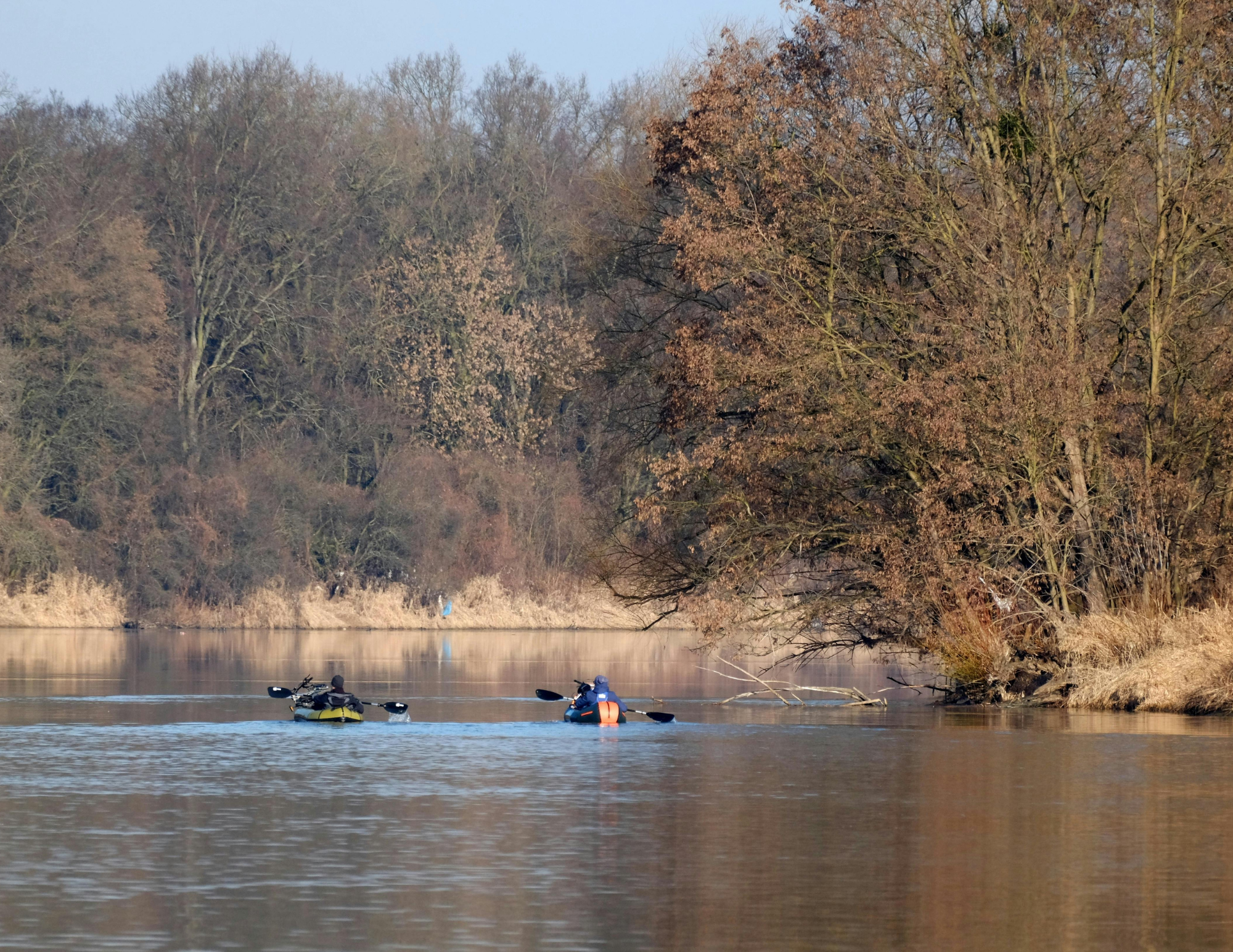
My brother invited me on a canoe trip this summer. The goal was simple: paddle down the Green River in Utah until it meets the Colorado.
It turned out to be a great trip — and an unexpected metaphor for depression.
Key Takeaways
Depression is often more complex than sadness and may reflect years of layered experiences and emotional pain.
Grief, loss, trauma, and survival patterns can shape emotional experiences over time.
Avoiding difficult emotions may temporarily help us cope but can also keep deeper healing out of reach.
Exploring emotions safely can help create greater clarity, self-understanding, and healing.
Therapy offers support for understanding the deeper layers beneath depression and emotional overwhelm.
Where It Begins: Calm on the Surface
We started in a small desert town, the kind of place that feels like it could be anywhere in America.
There was a quiet simplicity to it:
A dollar store
A few fast food spots
Families setting up for the day
A catfishing tournament unfolding along the riverbank
People sat patiently, lines cast into the water, talking, waiting, relaxed.
The river moved quietly past them — almost unnoticed.
The Shift: When the Landscape Changes
But once we pushed off, things changed quickly.
The banks began to rise.
Small ripples of rock turned into walls.
The open desert disappeared behind them.
Soon, we were surrounded.
What started as something subtle became something immense.
Layer by layer, the canyon revealed itself — rising higher, stretching further, enclosing us in something vast and ancient.
What We Carry Beneath the Surface
My brother and I weren’t just there for the trip.
Our dad had passed away 15 years ago after living with Multiple Sclerosis — a long, slow loss that shaped much of our childhood.
Before his illness, he was a canoeist.
This trip, whether we said it out loud or not, was connected to him.
At one point, we sat together in a green Old Town canoe — the same kind he once had.
We took a picture for our mom.
And that was it.
No big conversation. No emotional unpacking.
Not because it didn’t matter — but because it mattered too much.
Some things are too large for language.
The Weight of What Isn’t Said
Grief doesn’t always come out in clear words.
Sometimes it settles.
Layer by layer.
Over time, it becomes dense. Compressed. Hard to access.
Not gone — just buried.
And that’s where depression can live.
The Canyon as a Mirror
As we paddled deeper, the canyon walls rose thousands of feet above us.
Each visible layer represented an entire epoch — millions of years shaped by different conditions:
Oceans
Heat
Pressure
Time
Everything that ever happened there was still present — just compacted into something solid.
Standing there, you could feel it.
The immensity of it.
The weight of it.
The beauty of it.
And something in me shifted.
Understanding Depression Differently
In that moment, I realized something:
Depression can feel like those canyon walls.
Not just sadness — but layers of experience, compressed over time:
Loss
Unspoken grief
Survival
Adaptation
So much packed into something that feels heavy, immovable, and impossible to fully explain.
You’re not just reacting to what’s happening now.
You’re carrying what’s been building for years.
Why We Stay at the Surface
For a long time, I’ve tried to just be okay.
To stay at the surface:
Go to the park
Enjoy the day
Keep things moving
And sometimes, that worked.
But staying at the surface also meant avoiding what was underneath.
Not out of weakness — but because going deeper can feel overwhelming.
What It Means to Go “Downriver”
That trip reminded me of something important:
There is something meaningful — even necessary — about going deeper.
About allowing yourself to:
Feel what hasn’t been fully felt
Acknowledge what hasn’t been said
Explore what’s been buried
Not to get stuck there — but to understand it.
Because beneath the weight, there is something real.
Something human.
Something worth connecting with.
You Are Not Broken — You Are Layered
If you’ve ever felt overwhelmed, numb, or weighed down by emotions you can’t fully explain — it doesn’t mean something is wrong with you.
It may mean there’s more beneath the surface.
More that deserves attention, care, and understanding.
Ready to Explore What’s Beneath the Surface?
You don’t have to navigate those layers alone.
If this resonates with you, reach out to Alex or our team at the Center for Integrative Change (CIC).
We help individuals gently explore what’s underneath — at a pace that feels safe — so you can move forward with more clarity, connection, and relief.

About The Author
Alex is an associate marriage and family therapist (AMFT134332) supervised by Jeremy Mast, MS, MDiv, LMFT, CSAT (CAMFT90961). Alex’s experience includes trauma work, psychodynamic training, crisis intervention, and providing therapy in private practice High School and correctional facility settings. In his free time, Alex enjoys surfing and writing short stories and poems.
