
Can I recover without rehab
Can I recover without rehab?
One thing that's been standing out to me lately is how often this question of whether rehab is the only or right path to finally recovering. This all good/all bad rigidity is something I see a lot in recovery communities. But such rigidity misses the mark. As a therapist I often hear: "Rehab is not for me, I’m not that bad"--OR– "Rehab would help me, but since I can’t find the time, I’m stuck in my addiction."
It's interesting because I spend my week living in two different worlds.
On Mondays I spend the day at an addiction recovery center with people who have chosen residential treatment. They're stepping out of their lives for a while, usually a minimum of thirty days, to do something incredibly difficult. I have great respect for that decision, and I've seen how rehab can finally become the thing that breaks up a cycle of use that someone couldn't interrupt on their own.
The other days, I work in my practice, where I sit with people, once or twice a week, who have no intention of going to rehab.
Not because they don't care. Not because they're in denial. In fact sometimes they wish they could go to rehab, but they have jobs they can't leave. Or kids or parents who need them. And other times, rehab simply isn't the level of care they need.
I end up holding these two realities at the same time. Rehab saves lives, and it isn’t the only way. And this is reflected in the research.
Sobell (2000) calls recovery without rehab natural recovery. It can happen when someone enters a meaningful relationship, becomes a parent, has a visceral experience, or they simply find themselves tired of spending more energy managing their addiction than actually living their life. Then, almost quietly, their world begins to rearrange itself. Different routines. Different relationships. Different places to be on a Friday night. New ways of getting through hard moments without reaching for the thing that used to carry them.
That's why I think the conversation about whether rehab is "the only way" misses the point. Recovery isn't a philosophical debate. It's an individual one. The better question is: What kind of support does this particular human need?
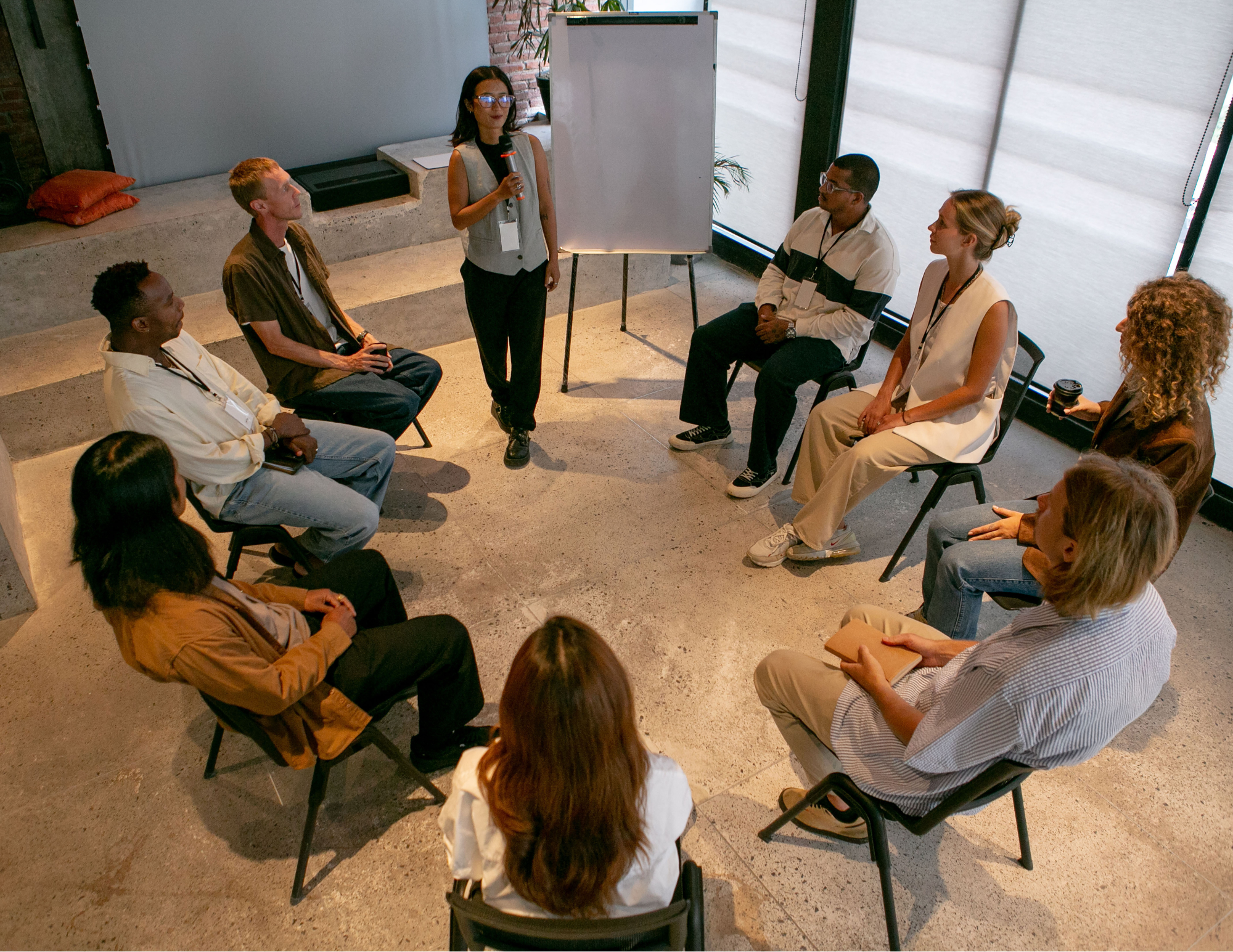
Some people absolutely need medical detox and residential treatment. Some need daily therapy. And most need a recovery community (be it AA, Intensive Outpatient Programs, SMART recovery, hiking groups) because isolation has become part of the addiction itself.
Recovery isn’t a contest or a one size fits all. And from my work with clients, I see that it is often less about the maladaptive behavior–whatever it is–and more about each person’s story. What happened before this became the habit, moments before or 5 years before, and what happens after?
For this reason, I’m more interested in whatever gets an individual enough support to start answering these questions honestly and finally accounting for their truth about their needs. From there, the work is remarkably similar, rehab our outpatient.
If this resonates with you, know that recovery does not have to fit someone else's template. Whether you're considering rehab, outpatient therapy, or simply wondering where to begin, you don't have to navigate those questions alone.
References
Sobell, L. C., Ellingstad, T. P., & Sobell, M. B. (2000). Natural recovery from alcohol and drug problems: Methodological review of the research with suggestions for future directions. Addiction, 95(5), 749–764. https://doi.org/10.1046/j.1360-0443.2000.95574911.x
Granfield, R., & Cloud, W. (1996). The elephant that no one sees: Natural recovery among middle-class addicts. Journal of Drug Issues, 26(1), 45–61. https://doi.org/10.1177/002204269602600104

Meet Helena!
About The Author
Helena Habes, MS, MA, LMFT, is a Licensed marriage and family therapist (LMFT 164842). With a strong background in addiction treatment, Helena brings a compassionate, trauma-informed approach to therapy, creating a safe and supportive space for individuals and couples to heal and grow. Helena empowers clients to make lasting changes, strengthen their relationships, and create healthier patterns of communication and intimacy.
